
Heritage and History
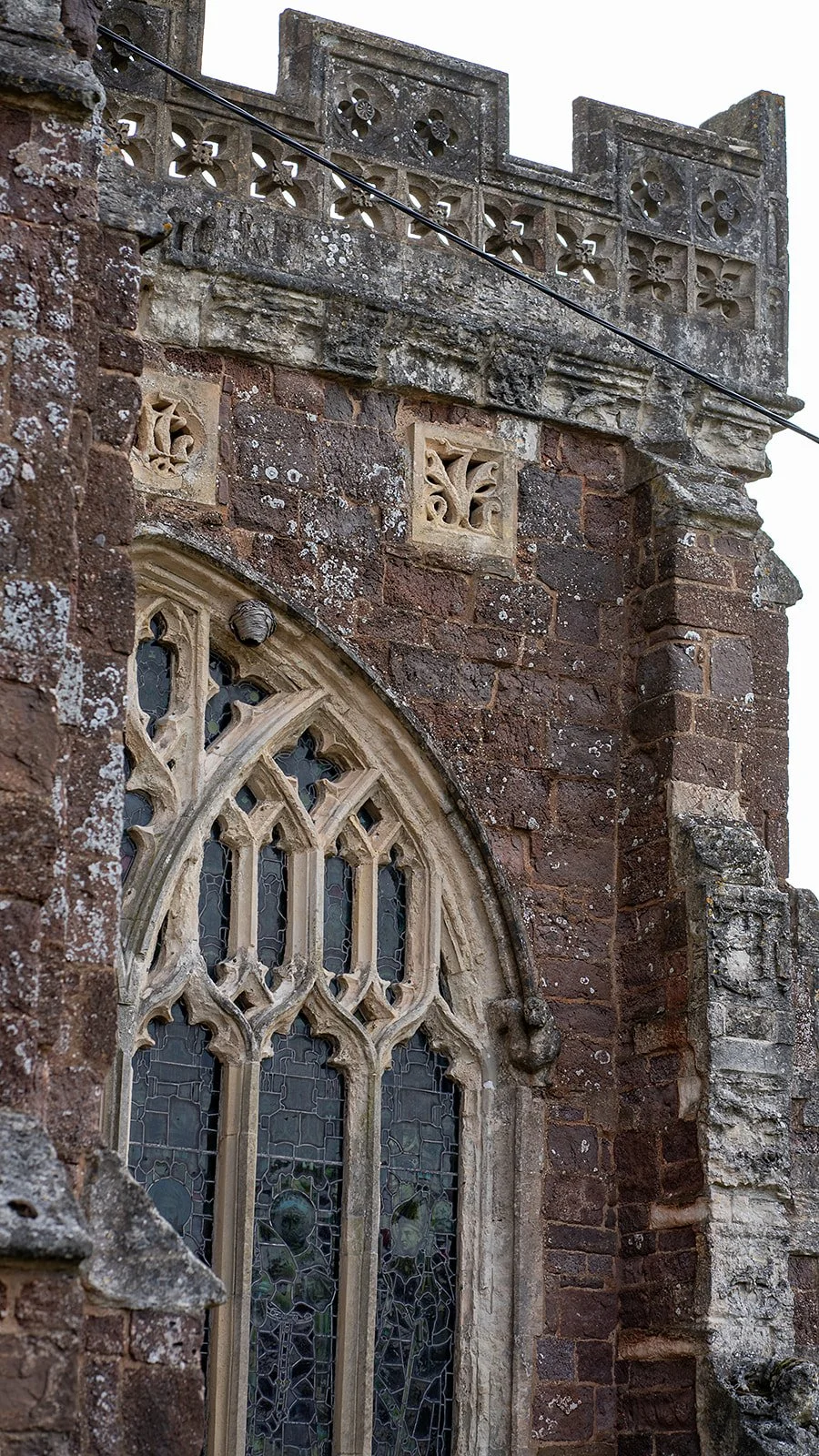
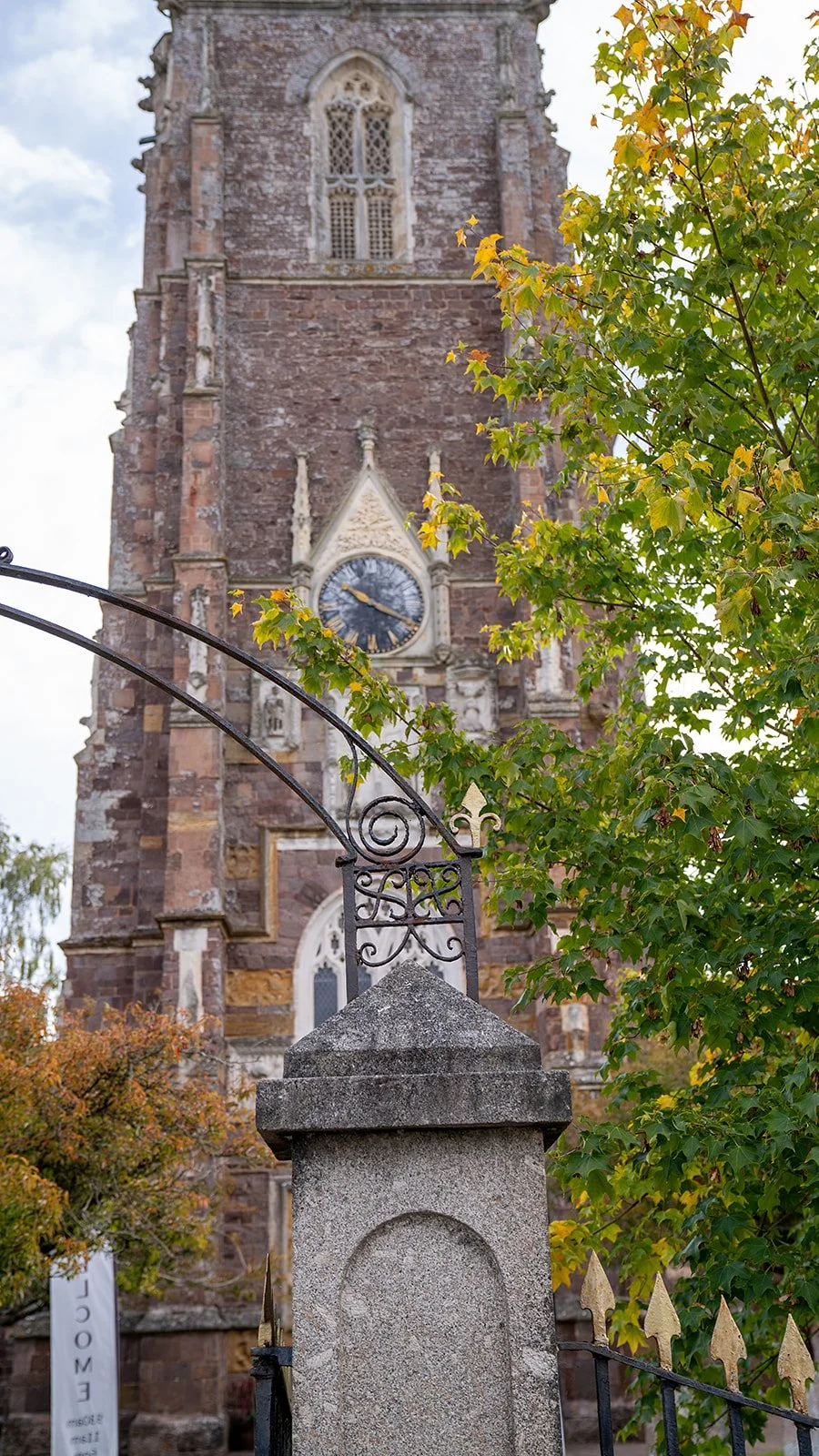
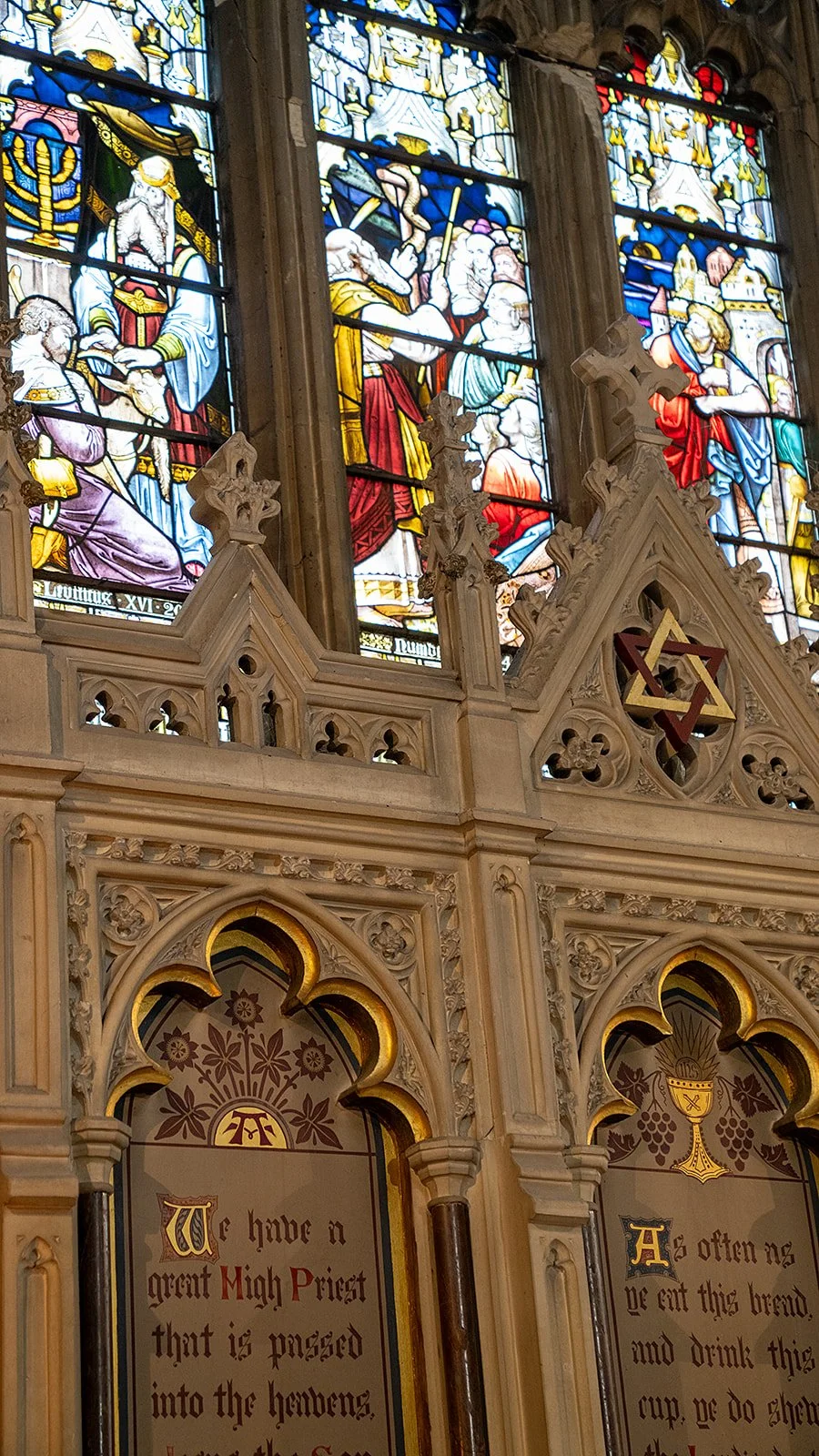
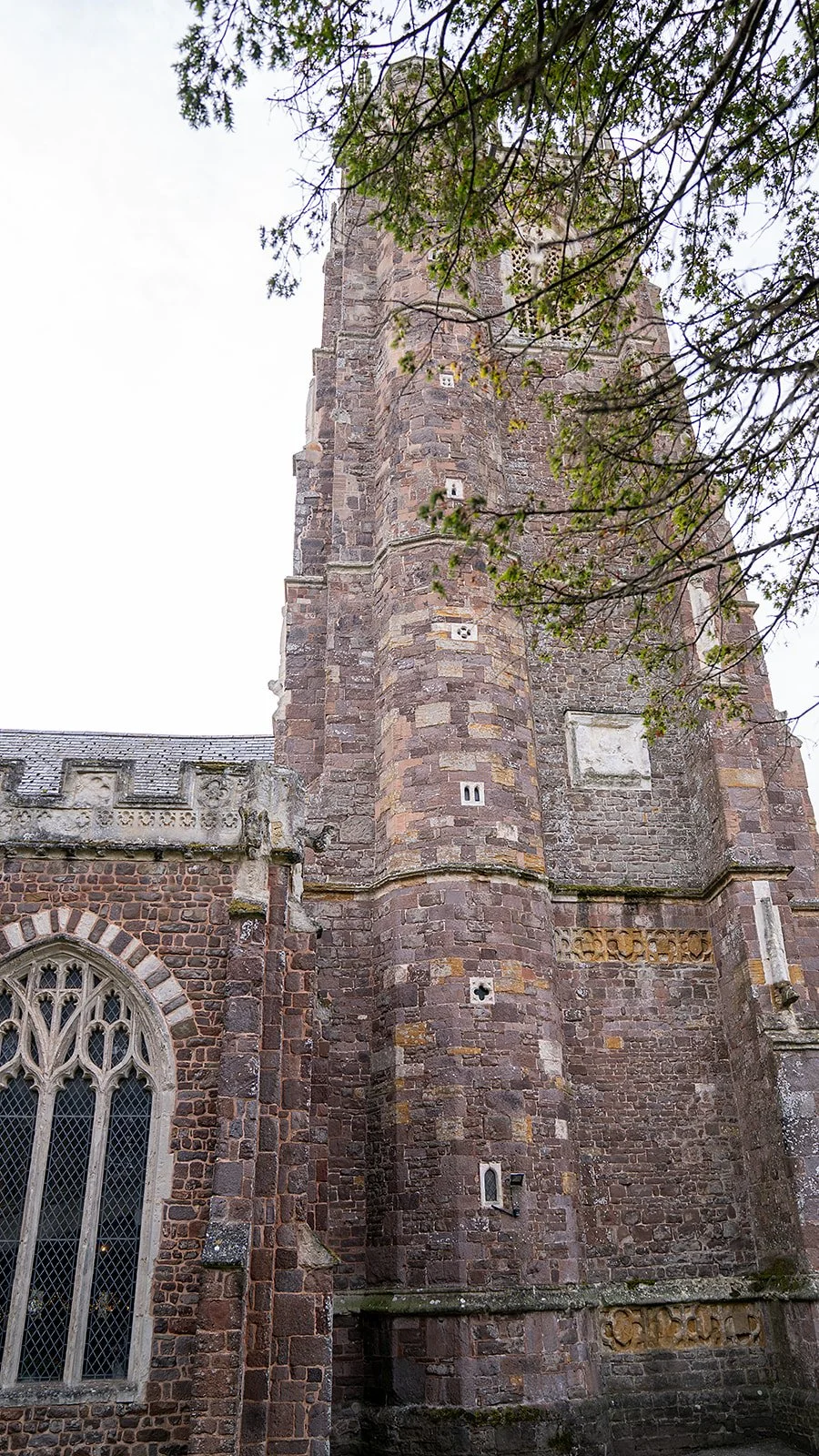
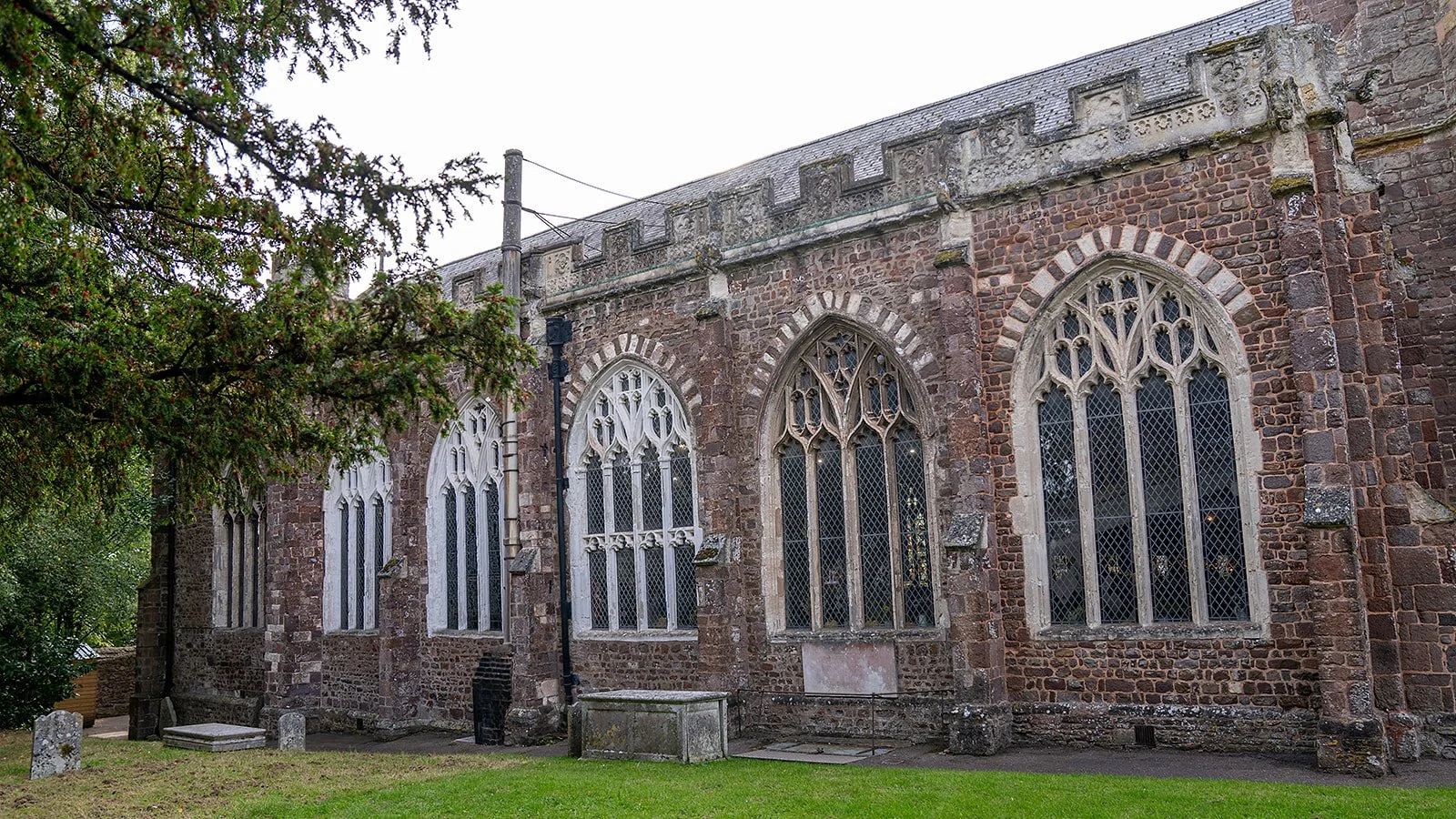
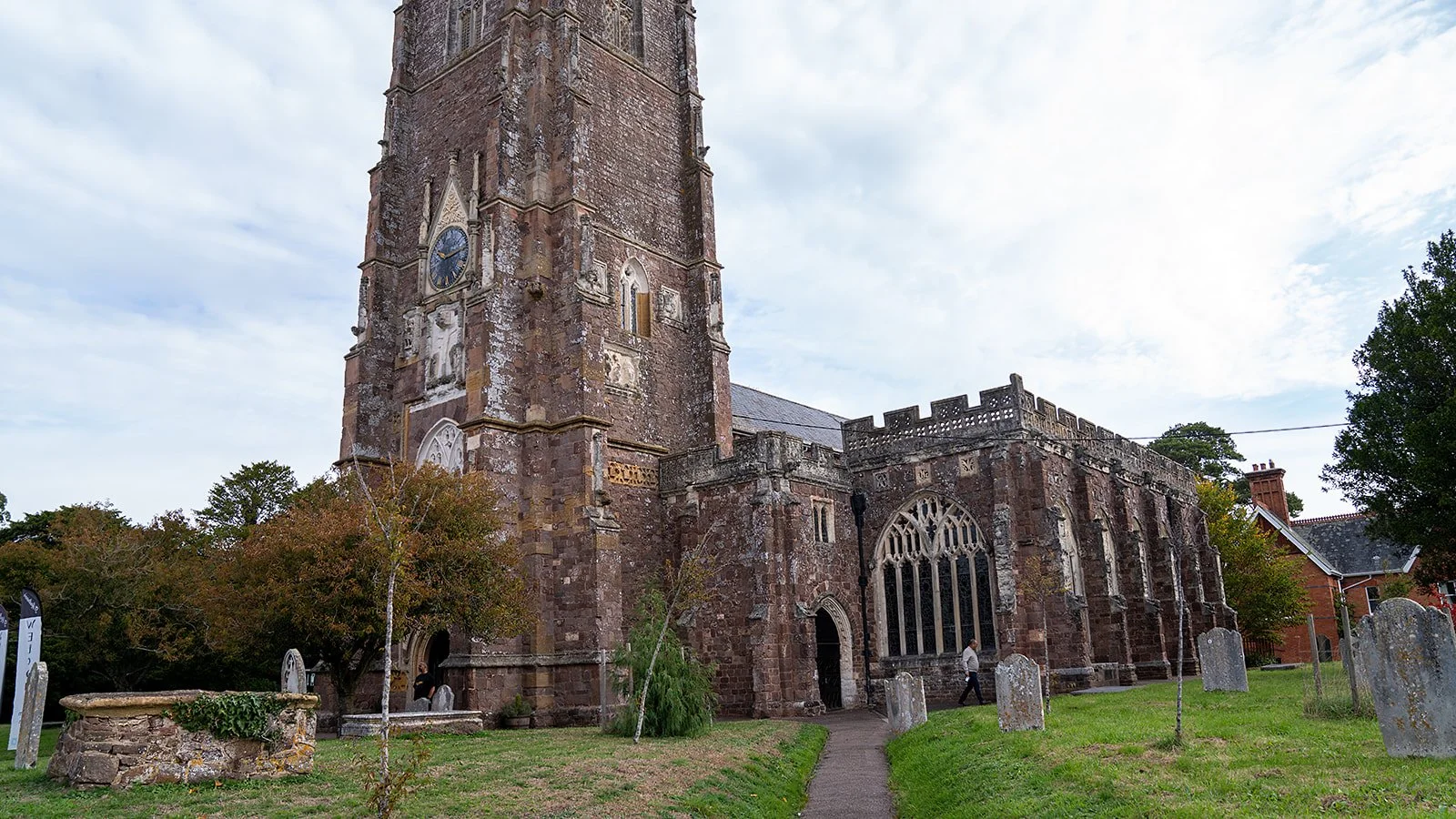
We're so proud of our beautiful church building, one of the finest in the West Country, which has stood at the heart of Cullompton for six centuries. People have worshipped on this site for over 1,000 years, and it's still a thriving community where ancient and modern meet as we encounter God together.
A Short History of St Andrew’s
-
A church stands on this site. Cullompton (“Columtune”) is mentioned in King Alfred’s will in 872AD.
-
After the Norman conquest, the church at Cullompton belongs to Battle Abbey, before being transferred to St Nicholas’ Priory in Exeter when this is founded by monks from Battle in the 1100s.
-
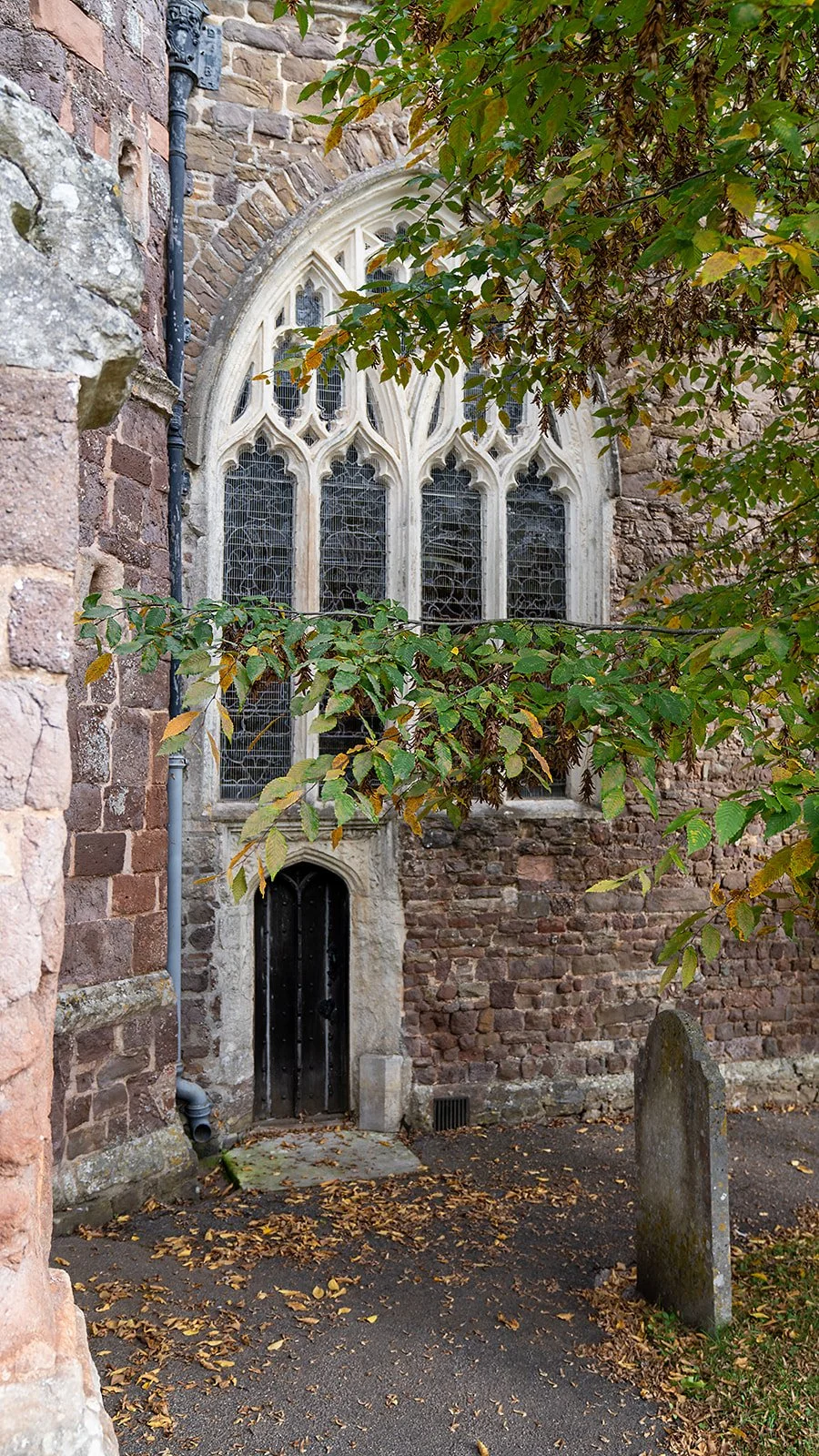
The oldest remaining piece of the church, a carved cross slab from the 14th Century, is still evident in the South Porch.
-
The present nave and aisles are built in the English Perpendicular style. Around this time the church’s dedication changes from St Mary to St Andrew.
-
The great rood screen is carved. This is one of the finest screens remaining in England.
-
A screen is carved on the north side of the chancel bearing armorials of the Moore family of Moorhayes.
-
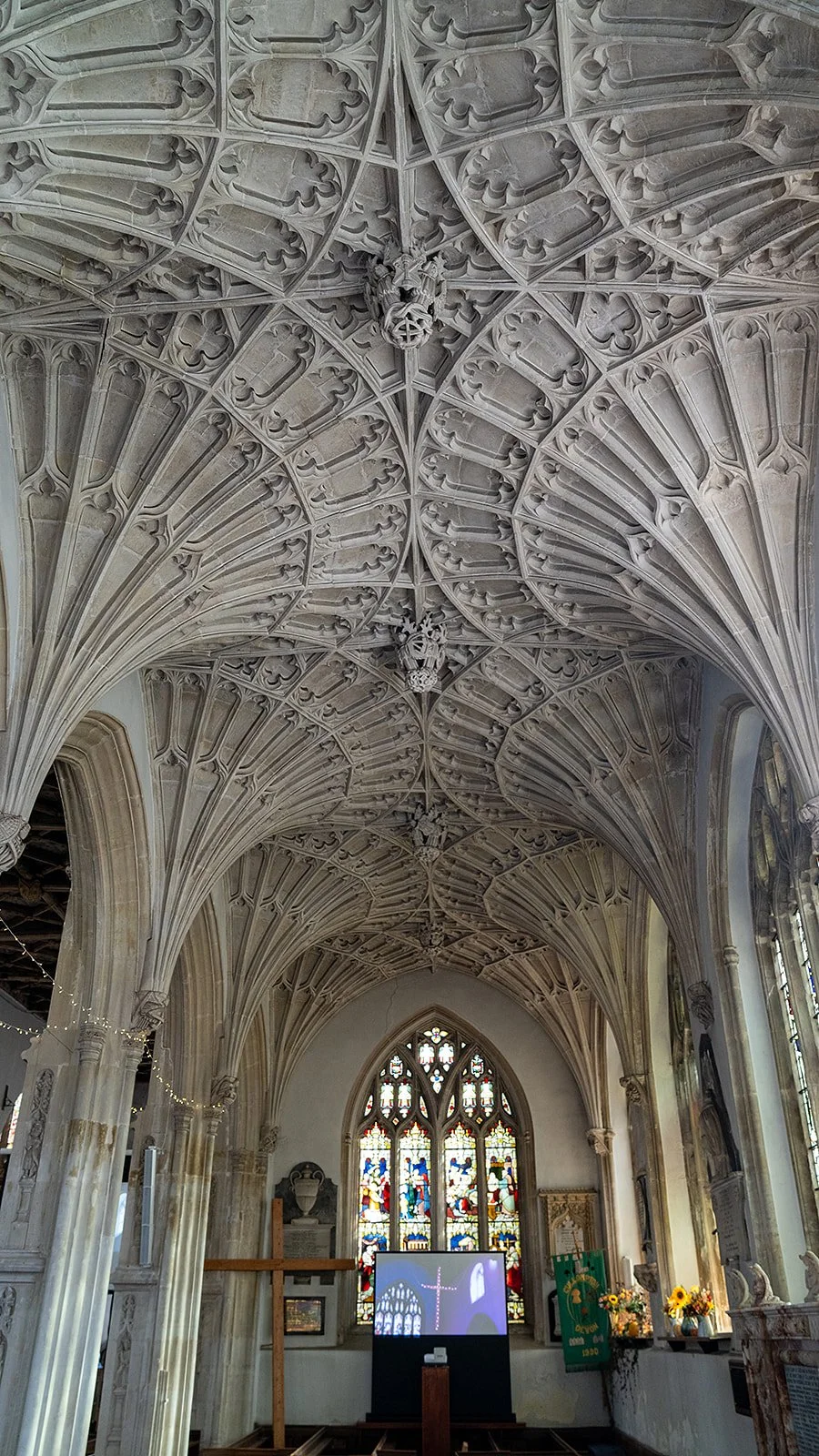
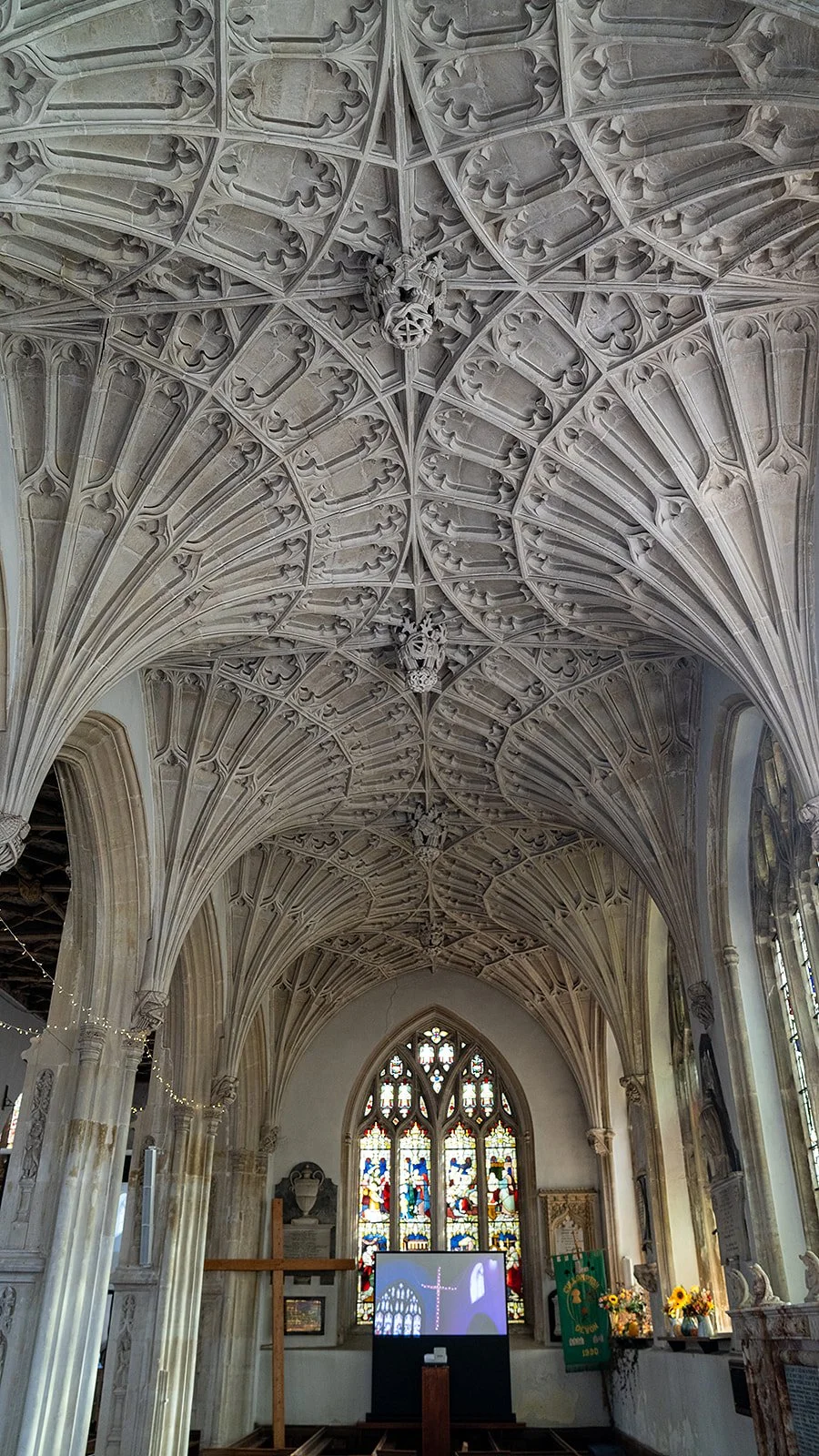
A wealthy merchant, John Lane, commissions the building of an additional aisle on the south side of the church to be used as a chantry chapel.
-
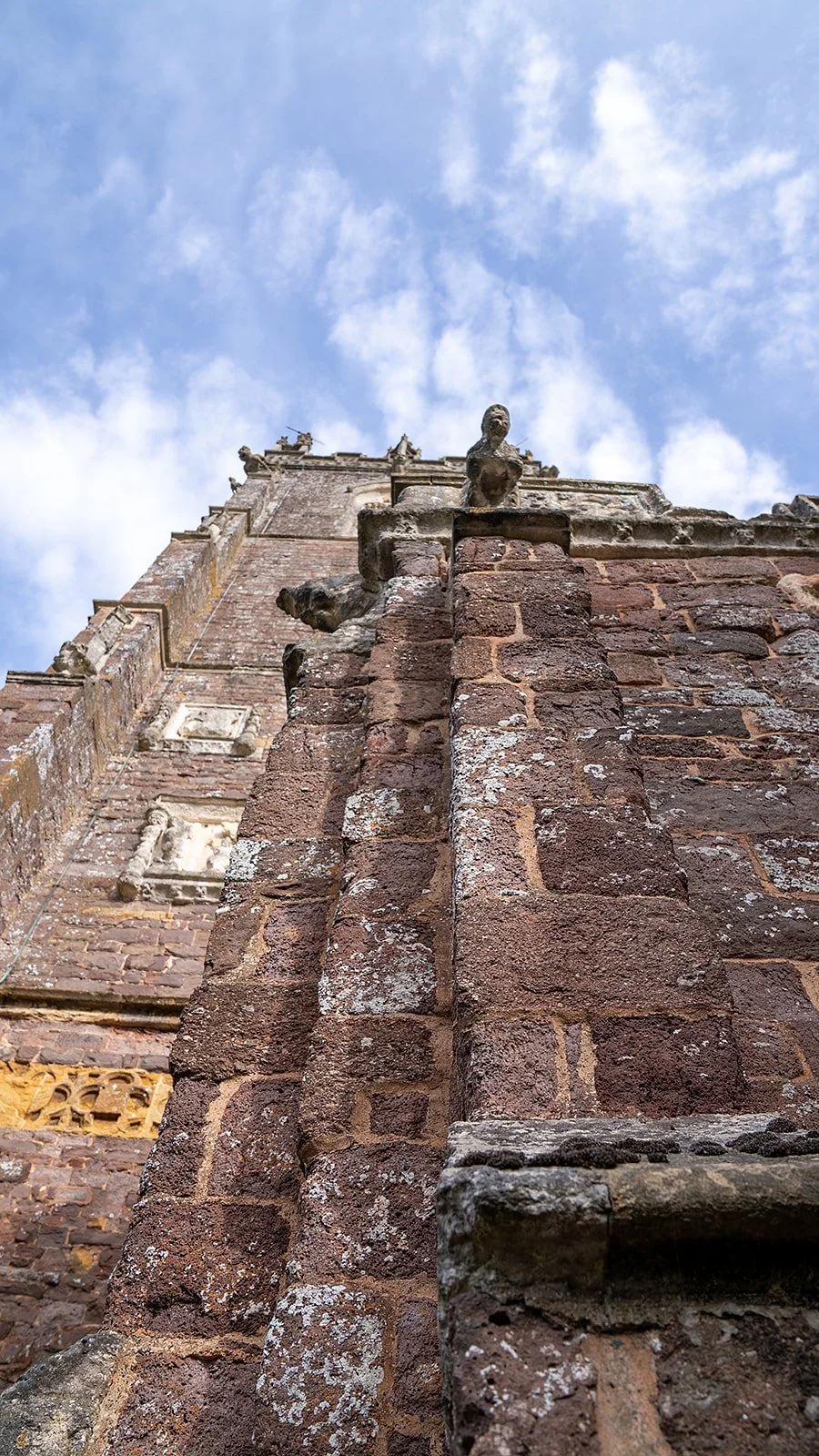
The tower is added to the west end of the nave.
-
The west gallery is added to the nave in the Jacobean style.
-
The great tenor bell is cast by Thomas Bilbie, whose foundry was located in Cullompton and cast bells for churches across the West Country.
-
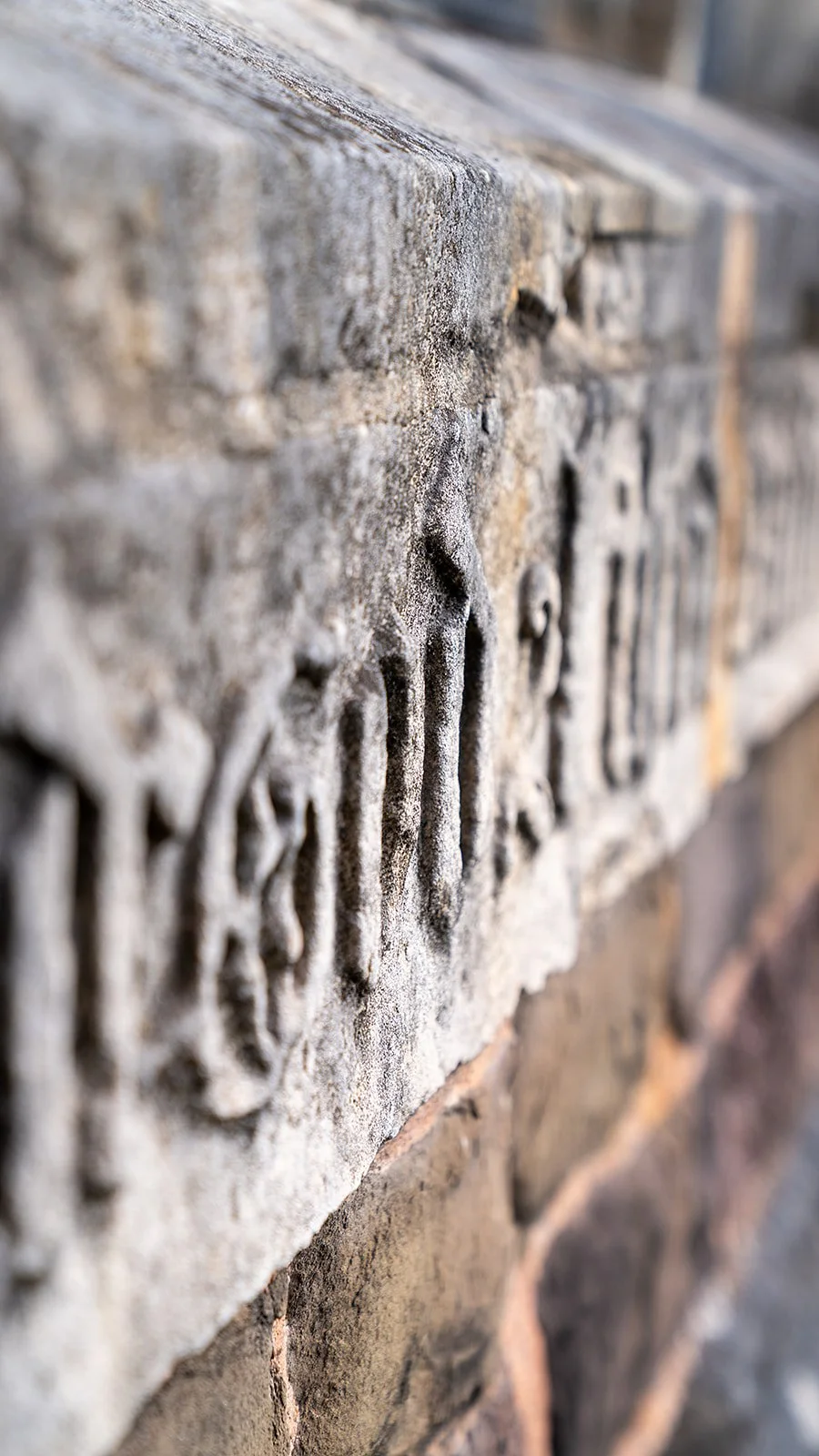
The crenellated frieze is added to the outside of Lane’s Aisle.
-
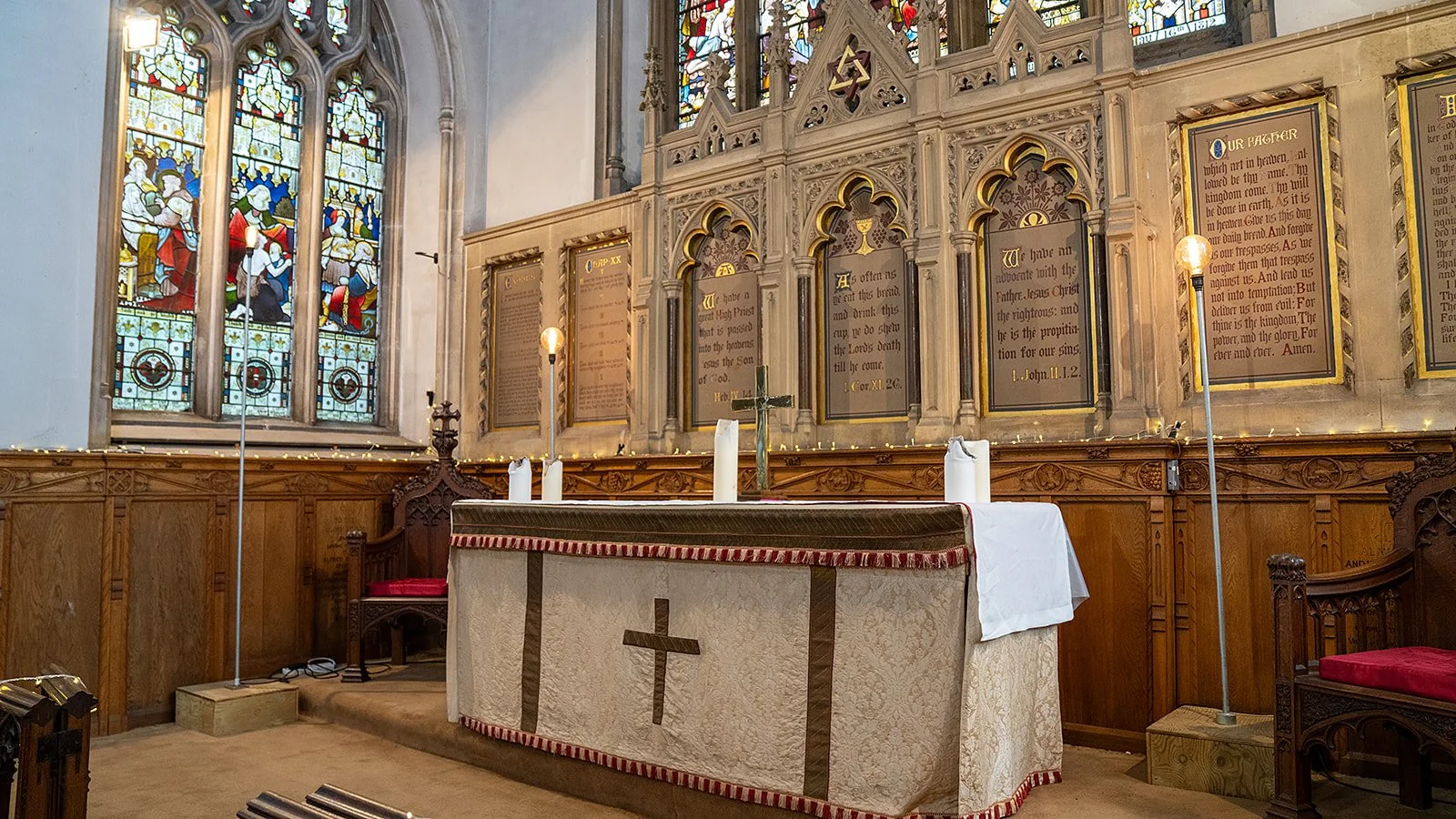
The Victorians restore the church and rebuild the chancel. During the work, Edward Ashworth uncovers and records a remarkably complete set of medieval wall paintings, which have since been covered over.
-
The colouring on the rood screen is renewed. Tie rods are added to the roof by the Great Western Railway, concerned about vibrations from the newly-built main line.
-
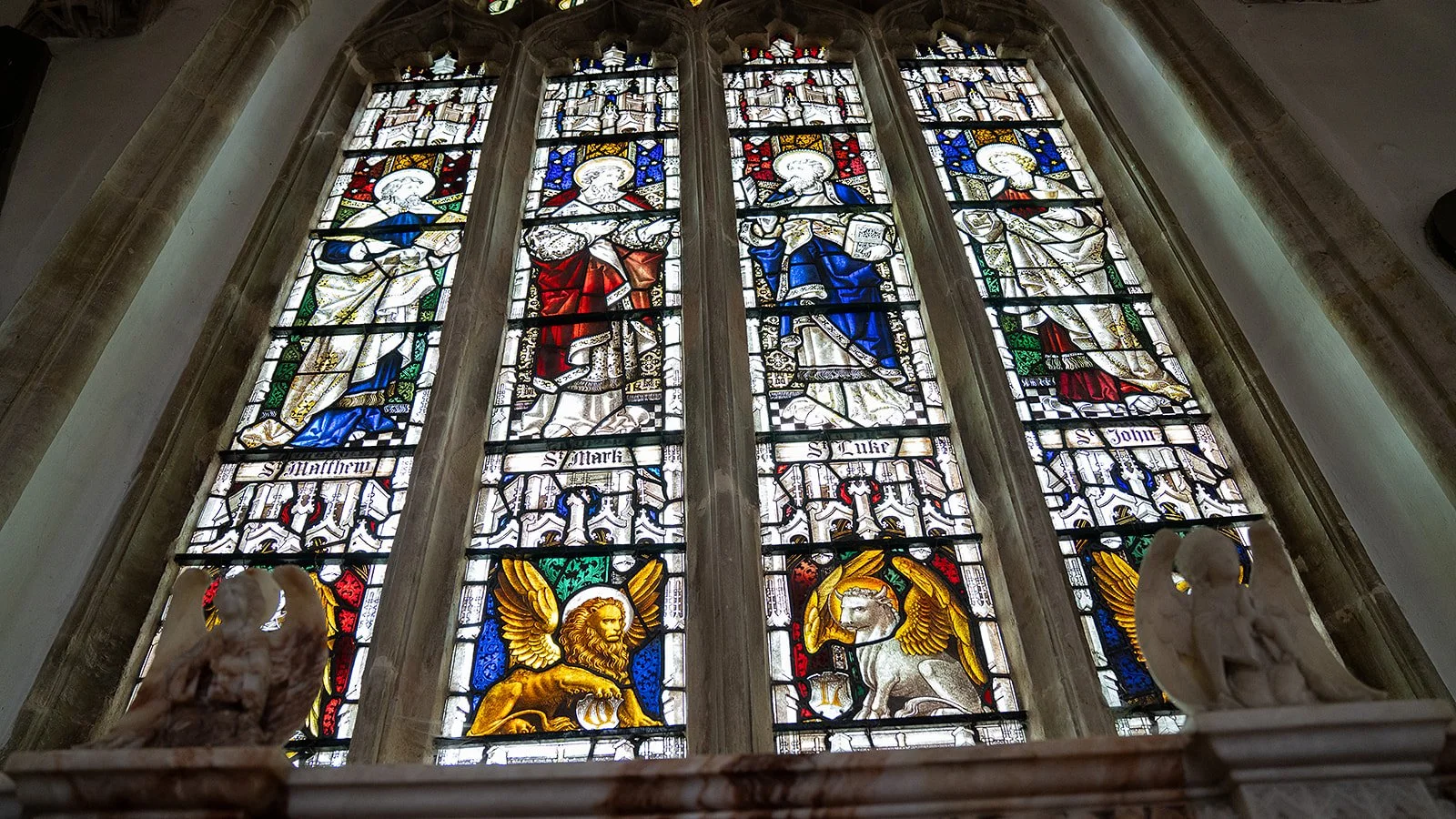
A fine window is installed in Lane’s Aisle, to the design of the famous pre-Raphaelite artist Edward Burne-Jones
-
The ring of bells is increased from eight to ten.
-
St Andrew’s is listed Grade 1
-
St Andrew’s is listed in England’s Thousand Best Churches.
Visit Us
We’re always delighted to share our beautiful church with others. The best way to experience the building is to join us on a Sunday. You can also visit during the week. The church is generally unlocked in the mornings, but we advise contacting the office ahead of making a special visit.